

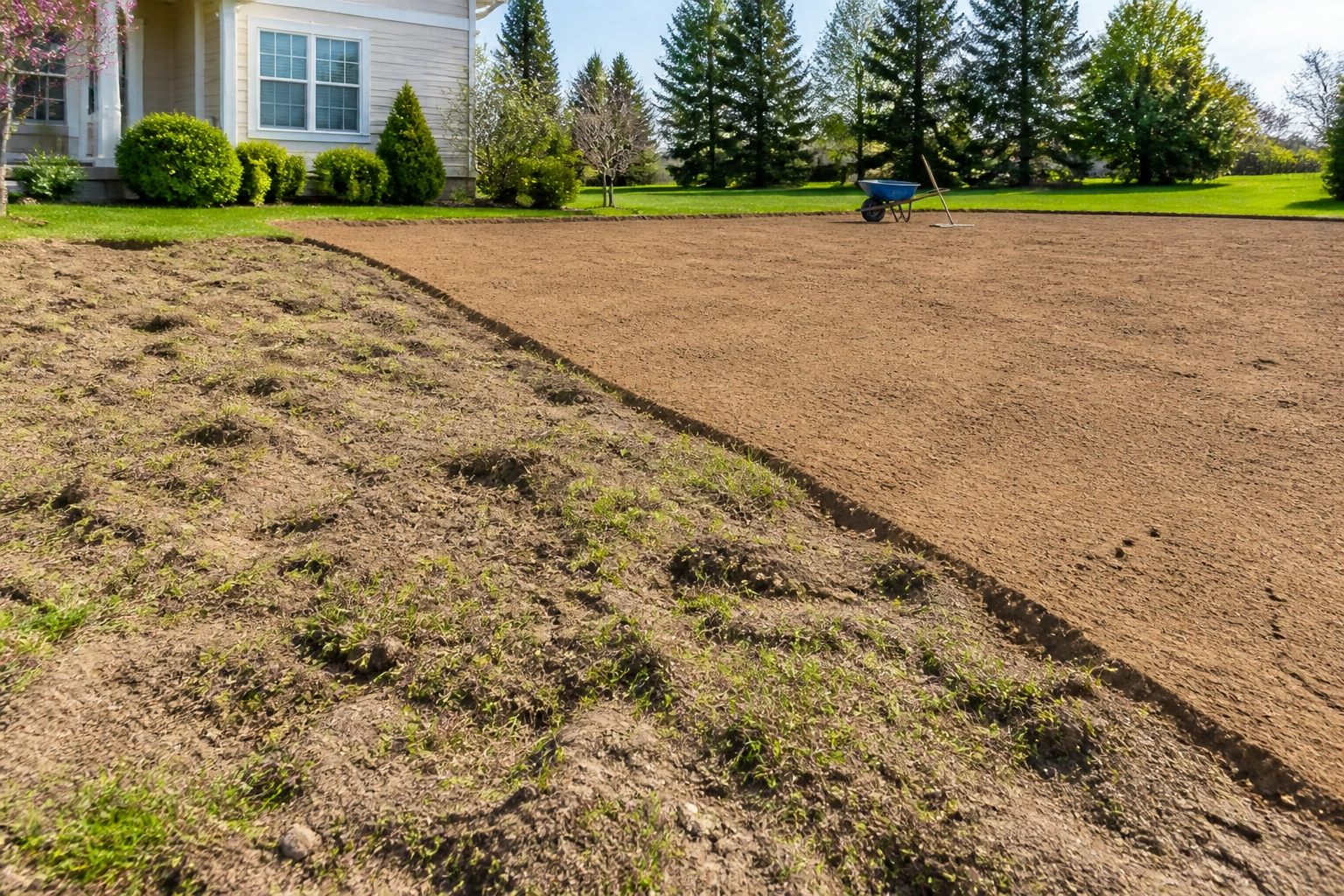
If your lawn is bumpy or uneven, simply covering it with new sod usually will not correct the underlying problem. Sod generally takes the shape of the prepared surface beneath it, so existing dips, raised areas and drainage issues can remain noticeable after installation.
The first step is determining why the lawn is uneven. A yard with small surface irregularities may only need proper removal, soil preparation and levelling. A property with settlement, widespread low areas or poor water movement may require more substantial grading before sod is installed.
For GTA homeowners replacing an old lawn, getting this distinction right can make the difference between a smooth finished lawn and covering a problem that is still there underneath. Proper site preparation and soil contact are both important to successful sod establishment.
Can You Lay New Sod Over a Bumpy Lawn?
Technically, sod can be placed over many surfaces, but installing it directly over a noticeably uneven lawn is not a good way to level the yard.
New sod is relatively thin and flexible. It follows the contours of the surface underneath rather than functioning like a levelling layer. A depression in the soil can therefore remain a depression after the sod is installed, while raised areas can still create bumps.
An inadequately prepared surface can also create other problems:
- the finished lawn may still look uneven
- low spots may remain visible or collect water
- some areas may have poorer sod-to-soil contact
- existing drainage patterns remain largely unchanged
- walking and mowing can feel uneven even though the grass is new
Good contact between the sod roots and prepared soil is important during establishment. University turfgrass guidance specifically recommends firm sod-to-soil contact and advises against installing sod over an existing lawn or heavily compacted soil.
That does not mean every small bump requires a major grading project. Minor irregularities can often be corrected during normal lawn preparation. The question is whether the problem is limited to the final surface or involves the broader grade of the property.
Why Is the Existing Lawn Uneven?
A bumpy lawn does not have one universal cause. Before deciding how to fix it, it helps to consider what has happened on the property over time.
Common possibilities include soil settlement, especially where soil was previously disturbed or filled. Areas affected by home construction, utility work, landscaping or other excavation may settle differently from undisturbed sections.
Construction traffic can also contribute to soil compaction. Compacted soil can restrict normal root development and affect how water moves through the soil profile.
Other possible causes include:
- poor previous grading
- erosion or soil movement
- localized low spots
- drainage problems
- decomposing organic material below the surface
- buried construction or landscape debris
- areas disturbed when old landscape features were removed
- tree roots affecting the soil surface
In some yards, several factors exist at once. For example, a lawn may have small surface bumps while also containing one larger low area that remains wet after rainfall.
Appearance alone is not always enough to identify the cause. That is why preparation should begin with evaluating the existing surface, soil condition and how water behaves on the property rather than assuming all uneven lawns need the same treatment.
Surface Levelling vs Regrading: What Is the Difference?
This distinction is important when you want to level a lawn before sod installation.
Surface levelling is generally appropriate when the overall elevations and drainage pattern are already acceptable, but the final lawn surface contains smaller bumps, shallow depressions or irregularities.
The work may involve removing unsuitable material, redistributing appropriate soil and producing a smoother final surface before sod installation.
Regrading addresses the broader shape or elevations of the site. It may become relevant when water movement, significant low areas, settlement or larger elevation differences need to be corrected rather than merely smoothed over.
Professional landscape guidance used in Ontario treats grading as part of preparing a suitable base for turf and calls for rough, low and soft areas to be addressed while providing appropriate drainage.
For a GTA lawn where the correct approach is unclear, professional grading and soil preparation can help determine whether the yard needs basic surface levelling, soil work or a more substantial grade correction.
The important point is not to automatically regrade every lawn. It is to avoid treating a grading problem as though it were only a cosmetic bump.
Should Old Grass Be Removed Before New Sod?
When replacing a failed lawn with sod, simply rolling the new turf over the existing grass is generally not the preferred approach.
Sod establishes by rooting into the soil beneath it. An existing layer of turf, thatch or unsuitable organic material can interfere with direct contact between the new sod and prepared soil.
Turfgrass guidance from Colorado State University specifically recommends removing existing vegetation for sod renovation and advises against laying sod directly over an existing lawn or thatch layer.
That does not mean every property must be excavated to one predetermined depth. The required removal depends on what is already present.
A worn lawn with a straightforward soil profile may require one level of preparation, while a post-construction yard containing debris, excessive material or significant elevation problems may require considerably more work.
The objective is a suitable, stable soil surface for the new sod rather than an arbitrary excavation measurement.
How Soil Condition Affects the Finished Lawn
A lawn can look perfectly flat immediately before sod installation and still have unsuitable soil underneath.
This is why soil preparation for sod involves more than cosmetic levelling.
Compacted soil is one concern. Heavy construction traffic, repeated equipment movement or previous site work can compress the soil and make root development more difficult. Soil that is excessively wet during preparation can also be vulnerable to additional compaction.
The condition and distribution of topsoil can matter as well. On disturbed properties, the existing soil may vary significantly from one part of the lawn to another. Adding soil without considering the existing grade and underlying conditions can potentially create another layer without correcting the actual problem.
University turfgrass guidance recommends evaluating the soil before lawn establishment and preparing it before either seeding or sodding.
For homeowners, the useful takeaway is simple: level does not automatically mean prepared. The surface should be appropriate for sod, while the soil beneath it should provide a reasonable environment for root establishment.
Drainage Problems Should Be Addressed Before Sod
Some uneven lawns are primarily visual problems. Others are showing symptoms of a broader water-management issue.
Signs that the problem may be more than surface roughness include:
- water regularly pooling after rainfall
- sections remaining soggy much longer than surrounding areas
- runoff repeatedly travelling through the same part of the lawn
- obvious depressions
- water moving toward an undesirable area
- low spots that repeatedly return after being filled
- widespread settlement rather than isolated small bumps
Installing sod over these areas may make the lawn green, but it does not fundamentally change the elevations controlling how surface water moves.
Ontario landscape standards connect turf preparation with grading and positive drainage rather than treating sod as a correction for unsuitable site elevations.
Drainage situations are also highly property-specific. Nearby foundations, neighbouring grades, patios, walkways, retaining features and municipal conditions can all affect what is appropriate. For that reason, significant drainage concerns should be assessed rather than approached with a universal DIY grading formula.
What Does Lawn Preparation Before Sod Typically Involve?
The exact process varies, but preparing an uneven lawn for new sod generally follows a logical sequence.
First, the existing conditions are reviewed. This includes identifying surface irregularities, obvious low areas, unsuitable turf, soil conditions and any indication that the grade itself may be contributing to the problem.
From there, preparation may include:
- Removing failed turf, debris or unsuitable surface material where required.
- Addressing compacted or disturbed soil where appropriate.
- Correcting obvious grade or elevation issues within the project scope.
- Adding, removing or redistributing suitable soil where needed.
- Establishing the intended final elevations and transitions.
- Levelling and raking the surface to remove remaining irregularities.
- Preparing a consistent surface for sod-to-soil contact.
- Installing the new sod over the completed base.
Good soil preparation is recognized as an important part of sod establishment, and close contact between sod roots and the soil beneath them supports rooting after installation.
There is no single topsoil quantity or preparation depth that should be applied blindly to every GTA property. Existing soil, settlement, surrounding features and required elevation changes can all affect the scope.
When Is Professional Regrading Worth Considering?
Full or substantial regrading is not automatically necessary just because an old lawn feels slightly bumpy.
It becomes more worth investigating when the problem appears to involve the shape of the site rather than only the condition of the top surface.
Examples include:
- large or widespread low areas
- persistent pooling in the same locations
- significant post-construction settlement
- substantial elevation differences across the lawn
- water moving toward areas where it should not be concentrated
- hardscape changes that alter lawn elevations or transitions
- widespread unevenness that cannot reasonably be corrected through final surface preparation alone
Professional assessment can also help avoid doing more work than necessary. A yard that needs careful levelling should not automatically be treated as a major earth-moving project, while a genuine grade problem should not simply be hidden beneath fresh sod.
Installing Sod After the Surface Is Ready
Once the soil and final lawn surface have been properly prepared, sod installation can begin.
At this stage, the objective shifts from correcting the ground to creating a consistent finished lawn. Sod should fit closely against the prepared soil, with clean transitions at walkways, garden beds and other landscape features.
University of Minnesota Extension recommends laying sod onto prepared, slightly moistened soil and ensuring good contact between the roots and soil underneath.
For homeowners who want the site preparation and finished lawn handled as one coordinated project, professional sod installation can include preparation of the existing area, surface levelling where required, sod placement, finished edges and initial aftercare guidance.
Fresh sod also needs appropriate watering after installation so that it remains moist while roots begin establishing into the prepared soil. The specific watering schedule should respond to site conditions and weather rather than relying on one rigid schedule for every property.
Frequently Asked Questions
Can I lay sod over an uneven lawn?
You can physically place sod over uneven ground, but the new lawn will generally follow the contours underneath it. Correct noticeable bumps, dips and any underlying grade problems before installation rather than expecting the sod itself to level the yard.
Does new sod level the ground?
No. Sod provides a new turf surface, not a structural levelling layer. Small surface irregularities should be corrected during preparation, while larger elevation or drainage problems may require grading.
Do I need topsoil before installing sod?
Not every property automatically needs the same amount of new topsoil. The decision depends on the condition, quantity and distribution of the existing soil and on the elevations required for the finished lawn. Soil should be assessed as part of preparation rather than adding a universal depth to every project.
Should I grade my yard before sod?
The surface should be properly prepared and levelled before sod, but full regrading is not necessary for every lawn. Regrading is more relevant when larger elevation or drainage problems need correction.
Why does my lawn have low spots?
Low spots can develop from soil settlement, erosion, disturbed ground, decomposing buried organic material, previous construction or an inadequate grade. The cause should be considered before repeatedly filling the depression.
Can poor drainage make a lawn uneven?
Yes. Water movement, erosion, saturated soil and settlement can sometimes contribute to or accompany uneven areas. Repeated pooling or soggy depressions are good reasons to investigate the grade and soil conditions before installing new sod.
If you are replacing an uneven lawn in the Greater Toronto Area, Sod Pro Express can assess the existing conditions and determine whether the site needs straightforward preparation, surface levelling or more substantial grading before new sod is installed. The goal is to correct what actually needs attention and create a properly prepared base for the finished lawn.
Related Services & Helpful Resources
- Primary Service: Learn more about our professional sod installation.
- Related Service: Explore grading and soil preparation.
- Supporting Guide: Read our guide on best time to install sod in the GTA.