

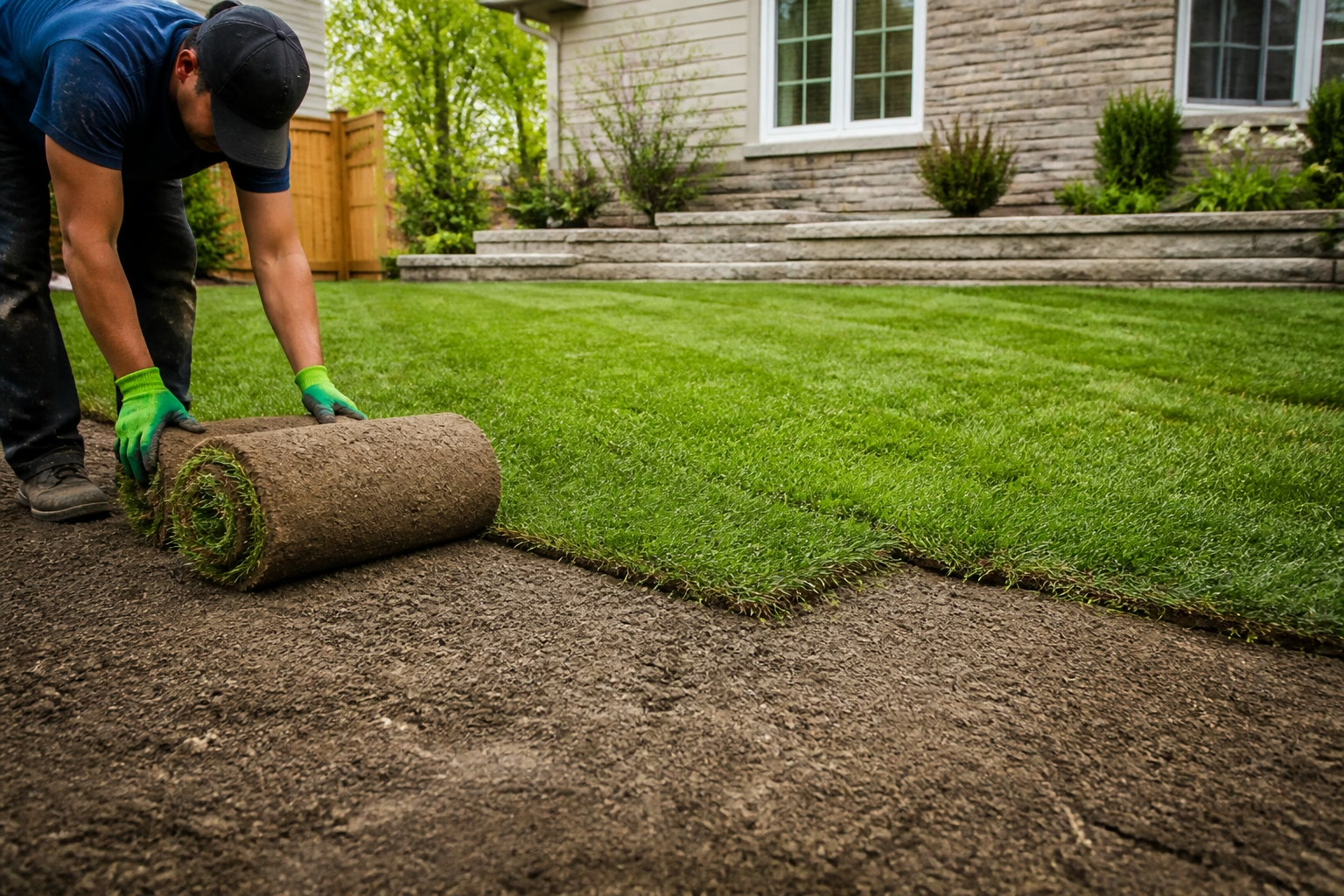
For many homeowners in the Greater Toronto Area, spring and early fall are favourable times to install sod because moderate conditions can make moisture management and establishment easier than during periods of intense summer heat.
However, there is no single date that determines whether a sod installation will succeed. Sod can be installed through much of the active growing season when conditions are suitable. Guidance for cool-season turf specifically identifies spring, late summer and fall as favourable sodding periods, while Ontario landscape guidance emphasizes active growth, workable unfrozen soil and appropriate moisture conditions rather than a fixed calendar date.
For a GTA property, the best time to lay sod depends on the weather and whether the site is properly prepared, graded and ready to water after installation.
What Is the Best Season to Install Sod in the GTA?
If you have flexibility in your project schedule, spring and early fall are often practical installation windows.
The reason is not simply that these seasons appear on a lawn-care calendar. Newly installed sod needs to develop a root connection with the prepared soil beneath it while remaining adequately moist. Moderate weather can make that moisture balance easier to maintain.
At the same time, sod is more flexible than grass seed when it comes to timing. University turf guidance notes that sod can be laid through most of the growing season, while Ontario landscape standards focus on avoiding unsuitable conditions such as frozen soil and excessively dry installation periods.
The practical decision comes down to four questions:
- Is the soil workable rather than frozen, saturated or muddy?
- Can the property be properly graded and prepared?
- Is reliable watering available after installation?
- Are current or expected weather conditions suitable for establishing new turf?
That is why the best sod installation season can vary from one GTA property—and one year—to another.
Installing Sod in Spring
Spring can be an excellent time to install sod in the GTA once the ground has thawed and the property is dry enough to prepare properly.
Moderate spring temperatures can reduce the rapid drying that may occur during hot summer conditions. Spring precipitation may also help with overall soil moisture, although rainfall should never be treated as a substitute for monitoring newly installed sod.
The main challenge is that spring ground can sometimes be too wet.
Snowmelt and prolonged rainfall can leave soil saturated. Trying to grade or prepare a lawn under those conditions can create ruts, uneven areas or compaction and make it difficult to produce the smooth surface needed before sod is laid.
So a warm spring day does not automatically mean the site is ready.
A spring sod project is better judged by whether:
- the ground has fully thawed
- excess water has drained
- soil can be worked without becoming muddy or compacted
- final grading can be completed properly
- watering is available after installation
When those conditions are in place, spring provides a strong window for GTA sod installation.
Installing Sod in Summer
Yes, sod can be installed in summer in the GTA.
Summer installation is useful for homeowners who do not want to postpone a lawn replacement or who are completing a larger landscaping, construction or backyard renovation project during the warmer months.
The main difference is moisture management.
Fresh sod has been harvested from its original growing medium, so it initially depends on moisture in the sod and the prepared soil beneath it while new roots establish. During hot, sunny or windy weather, those surfaces can dry more quickly.
Sod itself can also deteriorate faster while rolled or stacked during warm weather, making coordination between delivery, preparation and installation important. Fresh sod should be installed promptly rather than left sitting unnecessarily.
Summer installation therefore requires closer attention to:
- reliable access to water
- current heat and drought conditions
- direct sun and exposure
- how quickly the sod can be laid after delivery
- soil moisture beneath the sod
- coordination with other contractors working on the property
This does not make summer a “bad” sod installation season. It simply leaves less room for delays and inconsistent watering during periods of hot, dry weather.
If a backyard renovation is already scheduled for summer, installing sod as the final landscaping stage can still make practical sense when the preparation and aftercare are properly planned.
Installing Sod in Fall
Early fall can also be a very good time to install sod in the GTA.
The strongest summer heat is typically becoming less of a concern, while the lawn can still have active growing conditions available for establishment. For cool-season turf, spring, late summer and fall are commonly favourable sodding periods.
Fall also often makes moisture management more forgiving than during a prolonged hot spell.
However, homeowners should not decide whether it is “too late” by looking only at the daytime air temperature.
The condition of the soil matters just as much. The property still needs to be graded and prepared, the soil needs to remain workable, and new sod still requires moisture and good contact with the soil beneath it.
As the season progresses, approaching freezing conditions become increasingly important.
That is why there is no responsible universal statement that sod must be installed before one specific GTA date every year. Conditions in October, for example, can differ considerably from one year to another, and individual properties vary in drainage, exposure and preparation requirements.
Is It Ever Too Late to Install Sod?
Yes. At some point, conditions become unsuitable for normal sod installation—but the cutoff is better determined by the site and weather than by a fixed calendar date.
Frozen ground is a clear limitation because the soil cannot be properly prepared and the sod cannot establish normal contact with the growing medium beneath it. Ontario turfgrass installation guidance specifically calls for installation during the active growing season and advises against sodding at freezing temperatures or over frozen soil.
Very wet ground can also delay a project.
Even when the air temperature looks suitable, saturated soil can make grading difficult and allow foot traffic or equipment to disturb the finished surface.
For a later-season installation, consider:
- whether the ground remains workable
- whether freezing conditions are approaching
- whether final grading can still be completed properly
- whether irrigation or another dependable water source is available
- whether other construction needs to happen first
- whether the sod can be installed promptly after the site is prepared
Instead of searching for a universal “last day to install sod in Ontario,” homeowners are better served by assessing the actual property and current conditions.
Weather Matters More Than the Calendar
Two lawns installed during the same week can face completely different establishment conditions.
A shaded backyard with prepared soil and easy access to irrigation is not the same project as an exposed front yard with compacted soil and no convenient water source.
Several weather-related factors can change the recommendation.
Extreme heat: Hot, sunny conditions can increase how quickly newly installed sod and the soil beneath it lose moisture.
Drought: A lack of rainfall increases dependence on reliable irrigation during establishment.
Heavy rainfall: Some rain can help maintain moisture, but saturated soil can interfere with preparation, grading and installation.
Frozen soil: Proper grading and soil-to-sod contact cannot be achieved normally over frozen ground.
Wind and exposure: An exposed lawn can dry faster than a protected or shaded area.
Watering access: New sod needs to remain appropriately moist while roots begin establishing in the soil. It should be moist rather than continually waterlogged.
Site readiness: Good weather does not help if the yard still requires excavation, grading, drainage work or other construction.
The best time to install sod in the GTA is therefore when both the weather and the property are ready.
Site Preparation Can Determine Whether Sod Establishes Properly
Choosing the right season cannot compensate for poor site preparation.
Sod needs a properly prepared surface underneath it. Depending on the condition of the property, preparation may involve removing failed turf or construction debris, correcting uneven areas, preparing the soil, establishing the grade and creating a smooth final surface.
Drainage is also part of the equation. Ontario landscape guidelines for turfgrass sod call for grading that eliminates rough, low or soft areas and provides positive drainage before installation. They also emphasize close contact between the sod and prepared soil.
A typical property may require some combination of:
- removing old turf, weeds or debris
- adding or redistributing suitable soil
- correcting low or uneven areas
- grading the lawn for drainage
- levelling and final preparation
- preparing edges around patios, walkways and garden beds
- installing the sod tightly over the finished surface
This is why sod installation is more than placing rolls of grass over an existing yard.
Sod Pro Express provides professional sod installation for GTA properties, with the project scope able to include site review, ground and soil preparation, surface levelling or grading where required, sod installation and initial aftercare guidance.
For a lawn affected by construction or a larger outdoor renovation, getting that preparation sequence right can matter as much as choosing between spring, summer and fall.
When Should You Book Sod Installation?
If you have a preferred installation season, it makes sense to plan the project before that window arrives.
This is particularly important when sod is one part of a larger outdoor project.
A backyard renovation might include grading, interlock, fencing, deck construction, retaining features or other work that should be completed before the finished lawn is installed. Installing the sod too early may leave contractors walking across the new turf or moving equipment over an area that is still establishing.
Planning in advance also creates time to determine whether the lawn simply needs new sod or whether additional soil preparation, drainage correction or grading should happen first.
For standalone lawn replacement, the schedule may be relatively straightforward. For a complete outdoor renovation, the best sod installation date is often determined by the sequence of the entire project.
Quick Seasonal Comparison
| Season | Advantages | Main Considerations |
|---|---|---|
| Spring | Moderate conditions can favour establishment and avoid peak summer heat | Wait until the soil has thawed and is dry enough to grade and prepare properly |
| Summer | Sod can still be installed and may fit well with landscaping or renovation schedules | Hot, dry weather can increase moisture stress and requires closer attention to watering and installation timing |
| Fall | Cooler conditions can provide a favourable window for cool-season turf | As winter approaches, workable soil, active growing conditions, watering and freezing weather become increasingly important |
There is no universally perfect season for every GTA lawn. Spring and early fall are often favourable, but summer can also work well when the site is prepared correctly and moisture can be managed.
Frequently Asked Questions
Can sod be installed in summer in the GTA?
Yes. Sod can be installed during summer, but hot and dry conditions can make moisture management more demanding while the sod establishes. Reliable watering, prompt installation and good soil preparation become especially important.
Is fall a good time to install sod?
Yes. Early fall can provide favourable conditions for cool-season sod. Instead of relying on a fixed cutoff date, consider whether the soil remains workable, freezing weather is still sufficiently distant for active growth, and the lawn can be properly prepared and watered.
Can you install sod after heavy rain?
Possibly, but installation should generally wait if the ground remains saturated or muddy. Excessively wet soil can make grading difficult, contribute to compaction and prevent the smooth final preparation needed beneath the sod.
How long does new sod take to establish?
There is no universal establishment period because rooting depends on weather, soil conditions, sod type, preparation and moisture. As an early check, sod that begins resisting a gentle lift or “tug” is starting to root into the soil beneath it. University guidance suggests this can begin to be checked around 10–14 days after installation, although continued establishment takes longer.
Should grading be completed before sod installation?
Yes. Final grading should normally be completed before sod is laid. The finished surface should address uneven or low areas and provide the intended drainage before the new lawn covers it.
Can sod be installed late in the year?
Sometimes. Late-season sod installation may remain practical while the soil is workable and conditions still support installation and establishment. Frozen ground, freezing temperatures, saturated soil and limited remaining growing conditions can eventually make postponing the project the better choice.
Planning a sod project in the GTA? Sod Pro Express can assess your property, grading and soil preparation requirements, and suitable installation timing. Request a quote for your GTA sod installation project and plan the work around the conditions your property actually needs.
Related Services & Helpful Resources
- Primary Service: Learn more about our professional sod installation.
- Related Service: Explore grading and soil preparation.